In the last few years, a lot has changed.
Recently, even Donald Knuth — one of the fathers of computer science — expressed surprise at computers being able to solve problems that once seemed impossibly difficult.
Almost every day, I get asked:
“If AI can already do so much in computing, mathematics, and language, is it still worth learning these subjects? What should students learn? What should educators teach?”
My answer is simple: what we teach must change completely.
We should no longer spend most of our effort making students memorize facts, formulas, or procedures. Instead, we should help them become creators and inventors. They should learn how to imagine new systems, discover new ideas, construct new proofs, and build new inventions.
In my AI and Machine Learning Algorithm Design courses, my primary focus is developing first-principles thinkers — people who can reason from fundamentals and create solutions that have never existed before.
At the same time, we should use AI itself to teach more effectively.
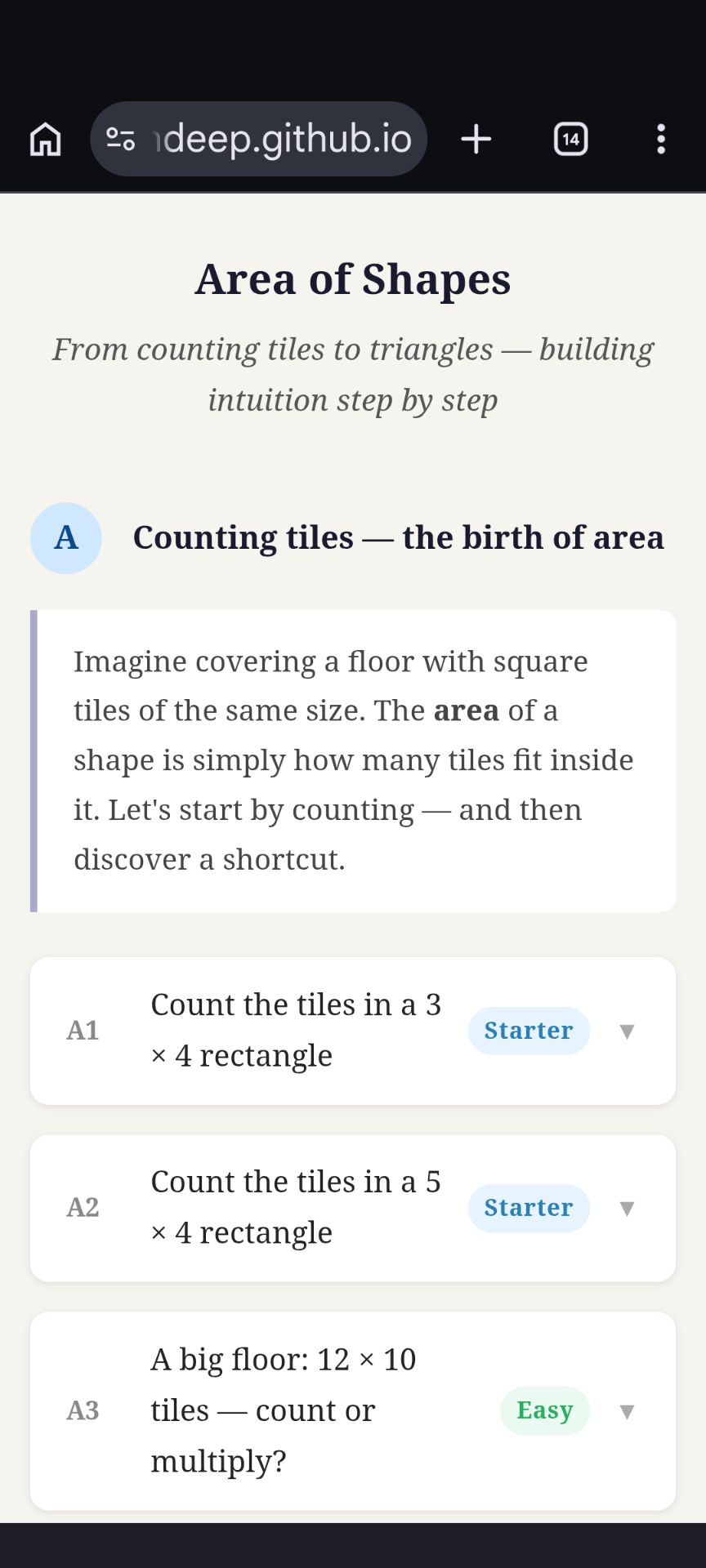
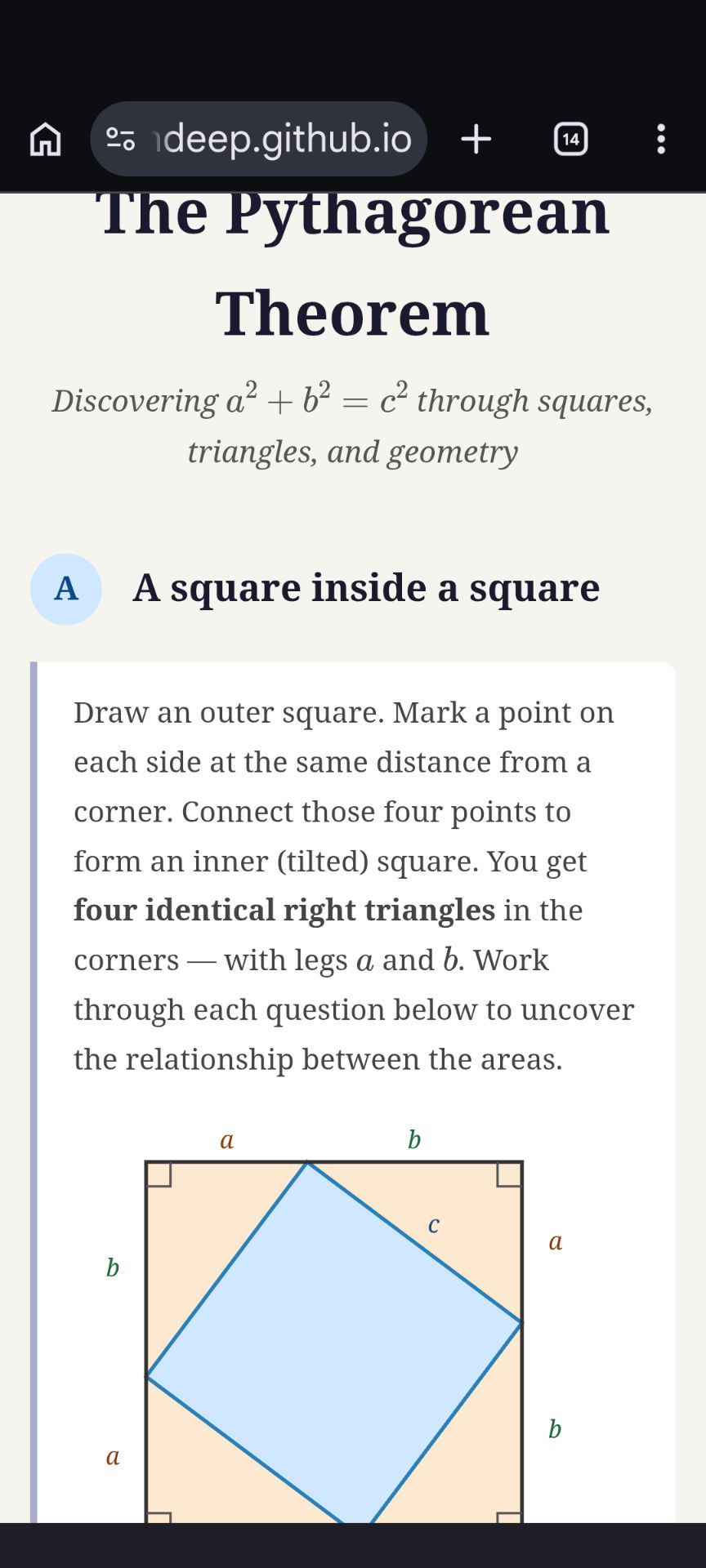
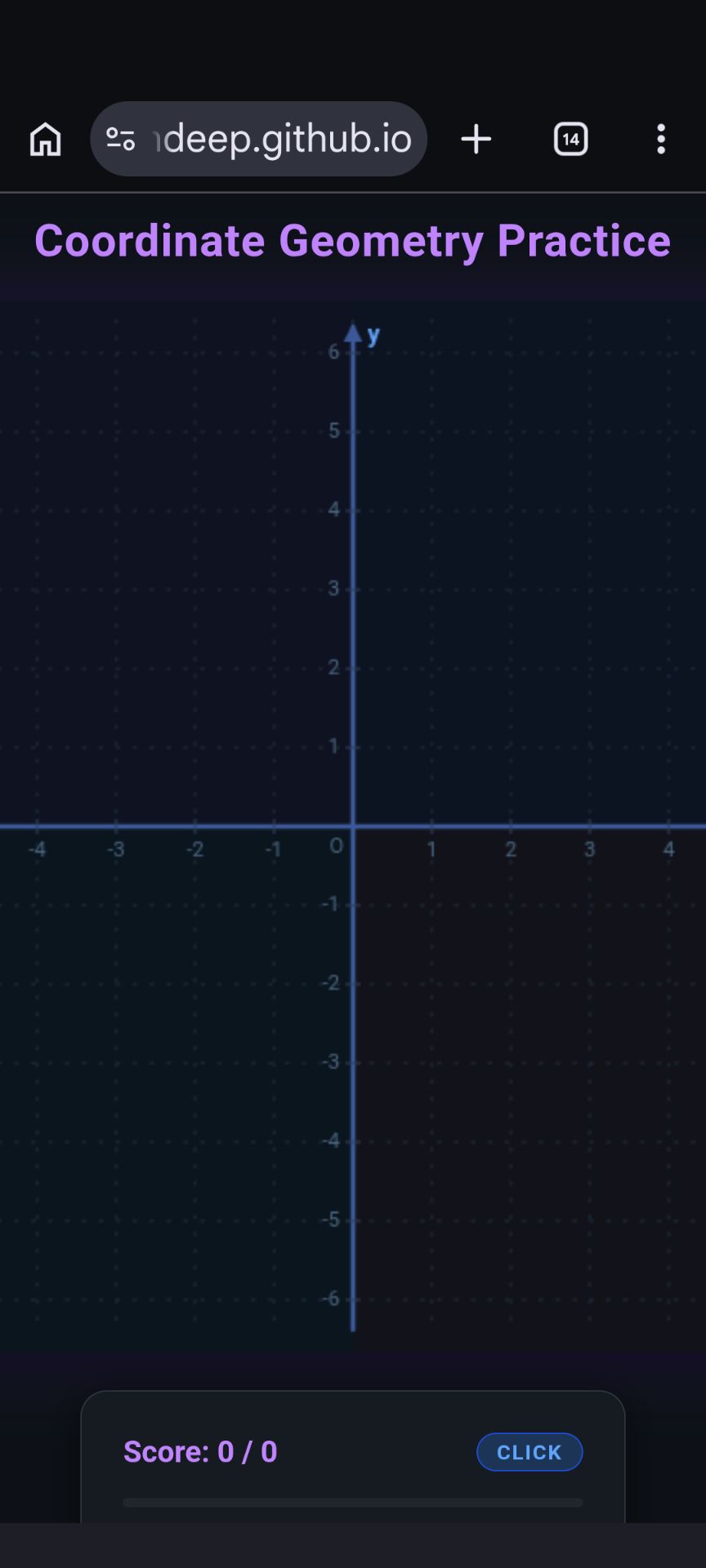
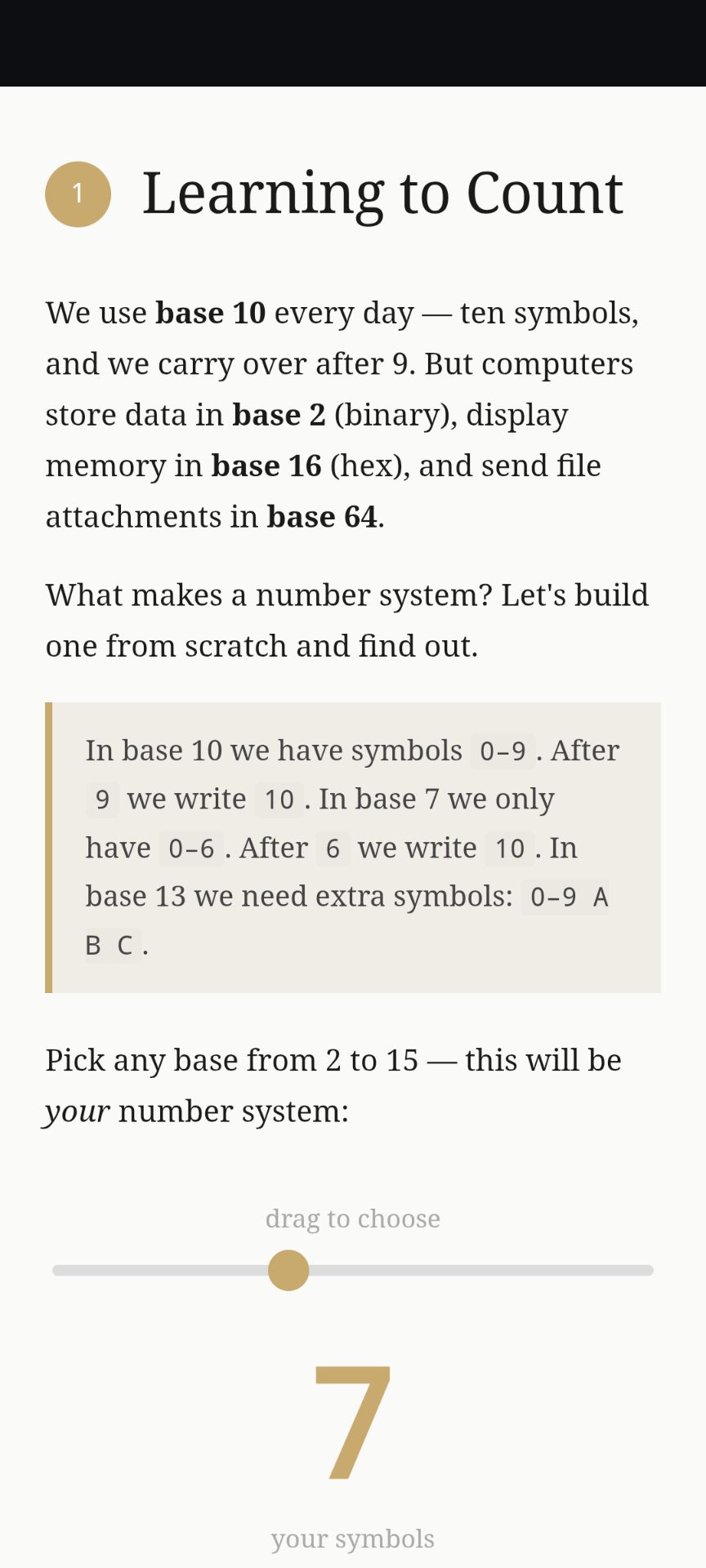
Recently, I built several AI-powered learning tools for mathematics: a digital whiteboard, coordinate geometry exercises, point-and-click graphing activities, quadratic equation practice systems, and interactive notebooks for number systems. These tools allow learners to explore ideas rather than merely consume them.
Try these tools
- Maths exercises — area, geometry, number systems and more
- Coding & ML exercises — algorithms and machine learning through guided discovery
- Free introductory session — Learn by Inventing: Agentic AI & Gen AI
- Algorithm Design course — AI & ML certificate programme at CloudxLab
The same principle applies to my neural networks classes. I encourage learners to imagine bold ideas and experiments. They use ChatGPT and Claude to implement those ideas quickly. When students are freed from the burden of typing every line of code, something remarkable happens: their creativity expands. They explore more possibilities, test more hypotheses, and learn at a much deeper level.
The future of education is not about knowing more facts than a machine.
It is about becoming more creative, more curious, and more capable of invention than ever before.
The time has come to fundamentally rethink both what we learn and how we learn.
And for the first time in human history, I am confident that we can accelerate invention for the benefit of humanity at an unprecedented pace.
If this essay resonated, tap to applaud